
How to Export Your Citibank Transactions to a Spreadsheet
Step-by-step guide to downloading your Citibank credit card or bank transaction history as a CSV and importing it into Google Sheets or Excel. Plus how to automate Citi tracking going forward.

Citibank lets you download transaction history from both credit card and bank accounts directly from online banking as a CSV file, which opens cleanly in Google Sheets and Excel. Whether you’re tracking a Citi Double Cash card, a Citi Premier card, or a Citibank checking or savings account, the export process follows the same basic pattern.
This guide covers the full export process step by step for both Citi credit cards and Citibank bank accounts. If you’re managing Citi alongside accounts at other institutions or you want your data to stay current without repeated manual downloads, the end of this guide covers how to connect Citi to a spreadsheet automatically so new transactions arrive daily without any effort.
How to export Citi credit card transactions as a CSV
Step 1: Log in to your Citi account
Go to online.citi.com and sign in.
Step 2: Select your credit card account
From the account overview, click on the Citi credit card account you want to export.
Step 3: Navigate to your transaction history
Find Transactions under Your Activity.
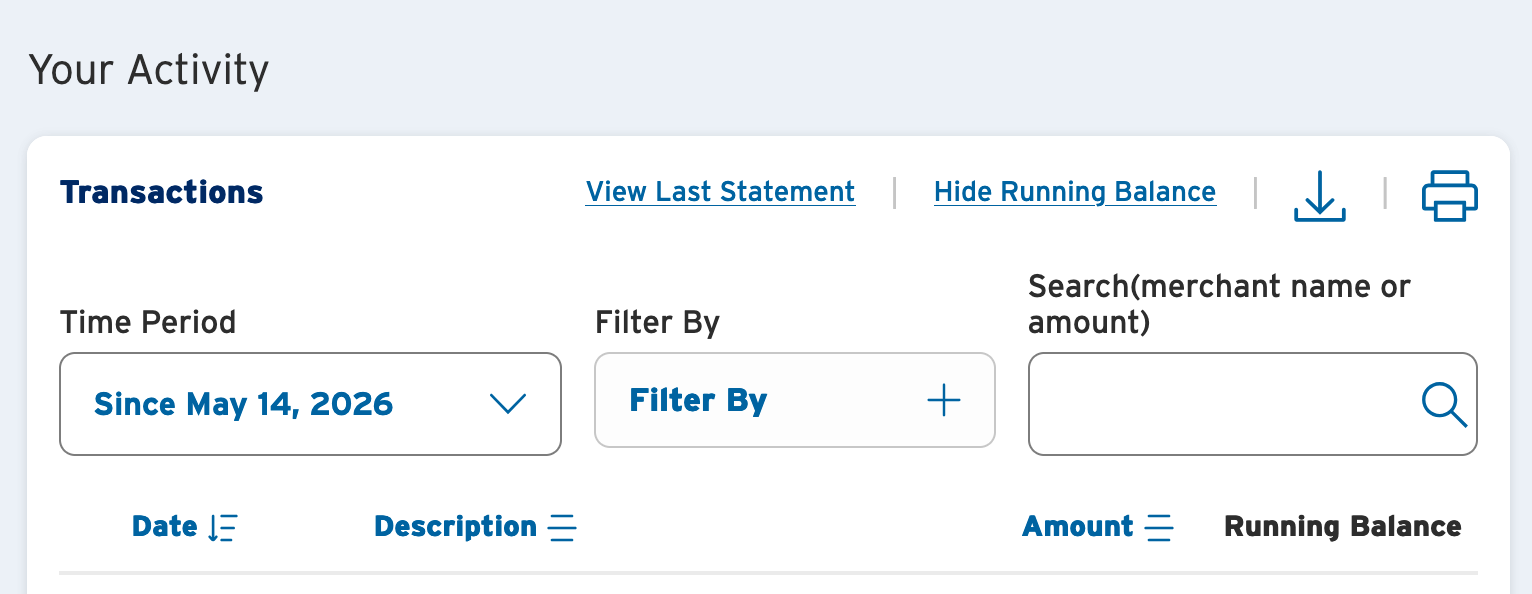
Step 4: Choose your date range and file format
- Click on Filter By.
- Set a date range.
- Click Search.
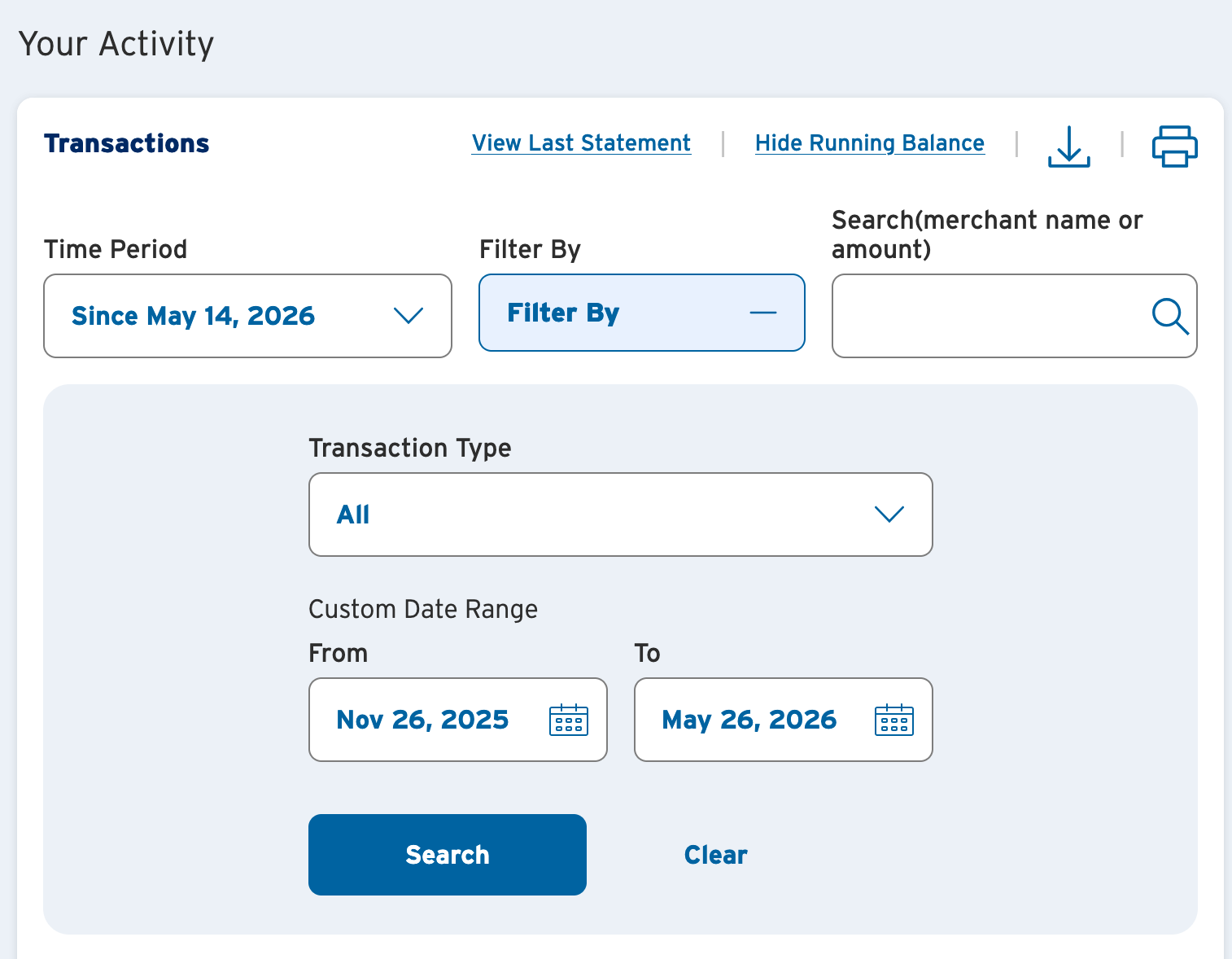
Step 5: Find the download option
There will be a download icon in the upper right-hand corner of your transaction list. Click that button and select CSV.
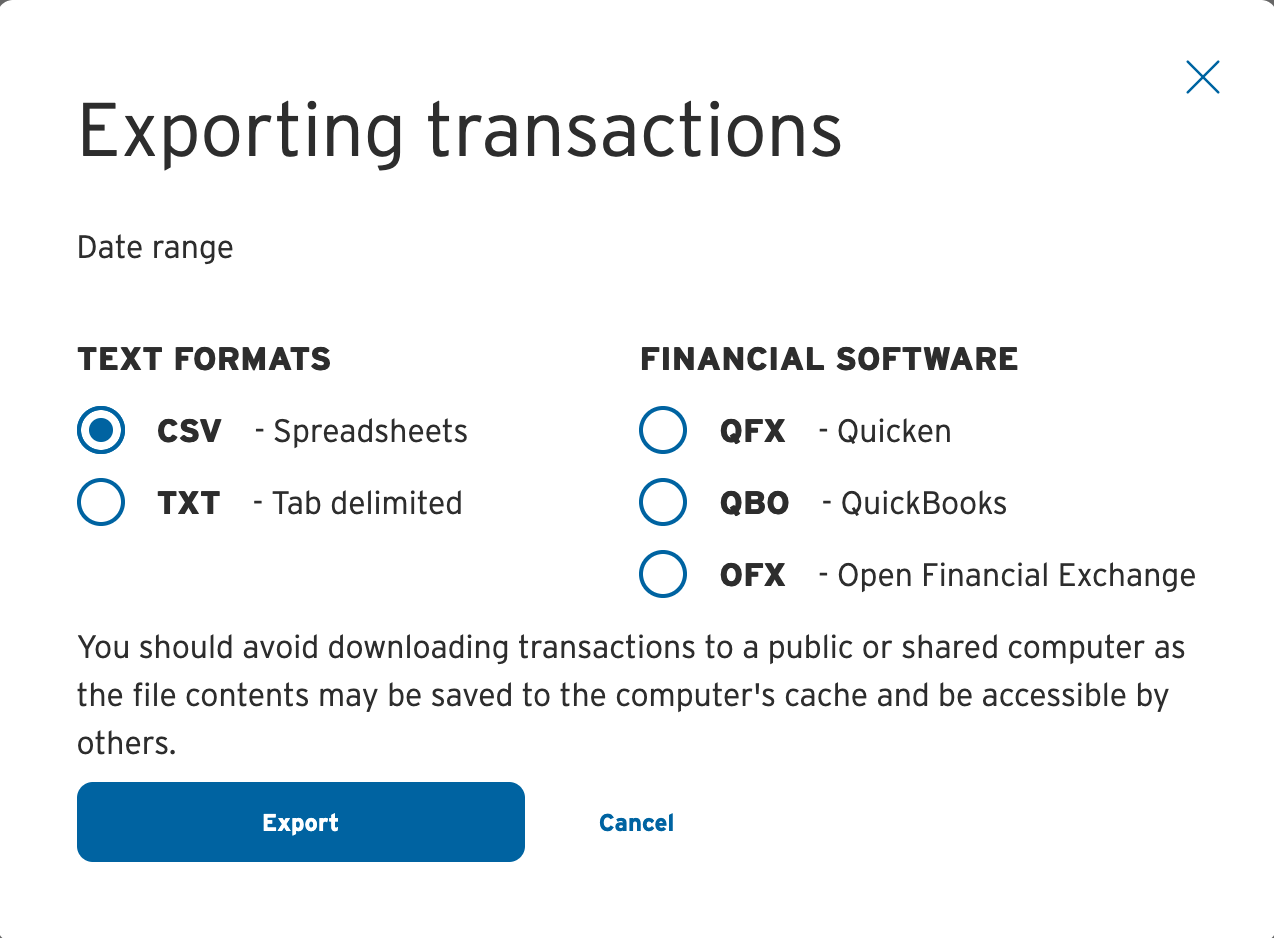
Step 6: Download the file
Click Export and save the CSV file to your computer.
How to export Citibank bank account transactions as a CSV
The process for Citibank checking and savings accounts follows the same pattern but starts from a different section of the account portal.
- Log in at online.citi.com and navigate to your Citibank checking or savings account.
- Click on Transactions or your account activity view.
- Look for a Download or Export option near the top of the transaction list.
- Select your date range and choose CSV as the file format.
- Download the file and save it to your computer.
How to Open Your Citi CSV in Google Sheets
- Go to sheets.new to open a new Google Sheet, or go to the home page for your Google Drive or Sheets account.
- Click File → Open → Upload.
- Drag and drop your downloaded CSV file or click Browse to locate it.
- Google Sheets will import the file and display your Citi transactions.
How to Open Your Citi CSV in Microsoft Excel
- Open Excel and click File → Open.
- Browse to your downloaded CSV file and open it.
- If the Text Import Wizard appears, select Delimited, click Next, check Comma, and click Finish.
- Your Citi transactions will appear in columns ready to work with.
For Excel Online, go to excel.cloud.microsoft, click Upload a File, and select your CSV.
After importing, Citi’s credit card CSV typically includes columns for Status, Date, Description, Debit, and Credit. Like some other banks, Citi uses separate Debit and Credit columns rather than a single signed Amount column. You may want to consolidate these into one Amount column using a formula before working with your data. A formula like =IF(D2<>””, -D2, E2) works if Debits are in column D and Credits are in column E.
Limitations of manual Citi exports
As with most CSV exports, there are a few limitations to keep in mind:
- Separate exports per account: Each Citi credit card and bank account requires its own individual download. If you have multiple Citi cards, that’s multiple separate exports every time.
- Split Debit/Credit columns: Citi’s CSV uses separate columns for debits and credits rather than a single signed Amount column, which requires a cleanup step before the data can be used with standard budget formulas.
- Limited history window: Citi credit card accounts typically allow exports covering up to 24 months of transaction history — longer than many banks, but still a limit for users with long account histories.
- No scheduling: Citi doesn’t offer automated or scheduled exports. You repeat the full process manually every time you want to update the data.
- Pending transactions: Pending credit card charges don’t appear in exports until they post.
Automate Citi transaction tracking with Tiller
If you’re tracking multiple Citi cards alongside other financial accounts — or just want your spreadsheet to always reflect current data — Tiller removes the export process entirely.
Tiller connects your Citi credit cards and Citibank bank accounts directly to Google Sheets or Excel and delivers transactions automatically each morning. All your Citi activity appears in your spreadsheet alongside any other connected institutions — consistently formatted with a single signed Amount column, all in one place, updated overnight. Tiller’s Foundation Template lets you keep a clear view of your finances in one place.
AutoCat handles categorization automatically based on rules you set. After a few weeks of setup, most recurring transactions — subscriptions, grocery stores, regular merchants — categorize themselves automatically.
Frequently asked questions
Q: Can I export all my Citi credit cards at once?
No. Citi requires a separate download for each card. If you have a Citi Double Cash and a Citi Premier card plus a Citibank checking account, that’s three separate exports to run and combine. Tiller connects all Citi account types simultaneously and consolidates everything into one spreadsheet automatically.
Q: Why does Citi’s CSV have separate Debit and Credit columns instead of one Amount column?
Citi formats their CSV with separate columns for money going out (Debit) and money coming in (Credit) rather than using a single signed Amount column. Most budget spreadsheet formulas expect a single Amount column with negative values for expenses and positive values for income. To fix this, add a new column with a formula that combines them: =IF(D2<>"", -D2, E2) if Debits are in column D and Credits in column E. Tiller handles this formatting automatically, so you never see the split-column issue.
Q: How far back can I export Citi credit card transaction history?
Citi credit card accounts typically allow exports covering up to 24 months of transaction history. Bank account export windows may vary. Check your current Citi online banking interface for exact limits.
Q: What file format should I choose when downloading Citi transactions?
Choose CSV for Google Sheets or Excel. Citi may also offer OFX or QFX formats, but these are designed for Quicken and aren’t the right choice for direct spreadsheet import.
Q: Can Tiller automatically import Citi transactions into my spreadsheet?
Yes. Tiller supports Citi credit card and Citibank bank account connections and delivers daily transactions to Google Sheets or Excel alongside your other financial accounts, with consistent formatting that eliminates the split Debit/Credit column issue entirely.
Q: Does Citi’s export work for both personal and business credit cards?
Citi offers both personal and business credit cards, and the export process is similar for both. Log into the account associated with the card you want to export and follow the same steps. Business and personal card exports are handled separately.